
Which Shoes Are Best for Trekking

A Simple Explanation for Anyone Planning a Real Trail
Whenever someone asks which shoes are best for trekking, the first thought that comes to mind is that it depends on the trek and the person. No two people walk the same way. Some walk with long steps, some with shorter ones. Some push forward with the toes, some land heavily with the heel. That is why one shoe that works perfectly for someone might feel completely wrong for another.
Trekking is not only about climbing a hill or reaching a viewpoint. It is long hours of uneven ground, loose stones, sudden slopes, and moments where you stop, breathe, and then move again. If the shoes are not correct, the whole trek becomes far tiring than it should. So choosing the shoe becomes a small but essential part of the journey.
Instead of thinking too technically, it helps to look at the basics. What makes a trekking shoe feel right
What You Really Need in a Trekking Shoe
A good pair of trekking shoes keeps you steady. It lets your foot stay relaxed even after hours. It holds well on rock or soft soil. And most importantly, it does not push your foot into an uncomfortable position.
Grip is one of the first things that matters. Trails can suddenly change from dry to slippery.
Comfort is another. Trekking is slow, continuous walking, not short bursts.
Breathability helps because feet heat up quickly.
Toe space matters more than people think, especially during descents.
These details apply to Trekking Shoes for Men and Trekking Shoes for Women, though the shape and width usually differ slightly.
Some trekkers also prefer barefoot shoes, because they allow more natural movement.
These feel close to the ground and help the toes spread, which improves balance on uneven paths. Barefoot shoes do not suit every terrain, but they feel surprisingly good on dry trails.
Now, let us look at actual pairs that match different trekking styles.
Shoes That Work Well for Trekking
Below are a few options chosen not by theory but by how they feel on real trails.
Impakto Outwork Men's Grey Barefoot Shoe with Rubber Trekking Sole AS3366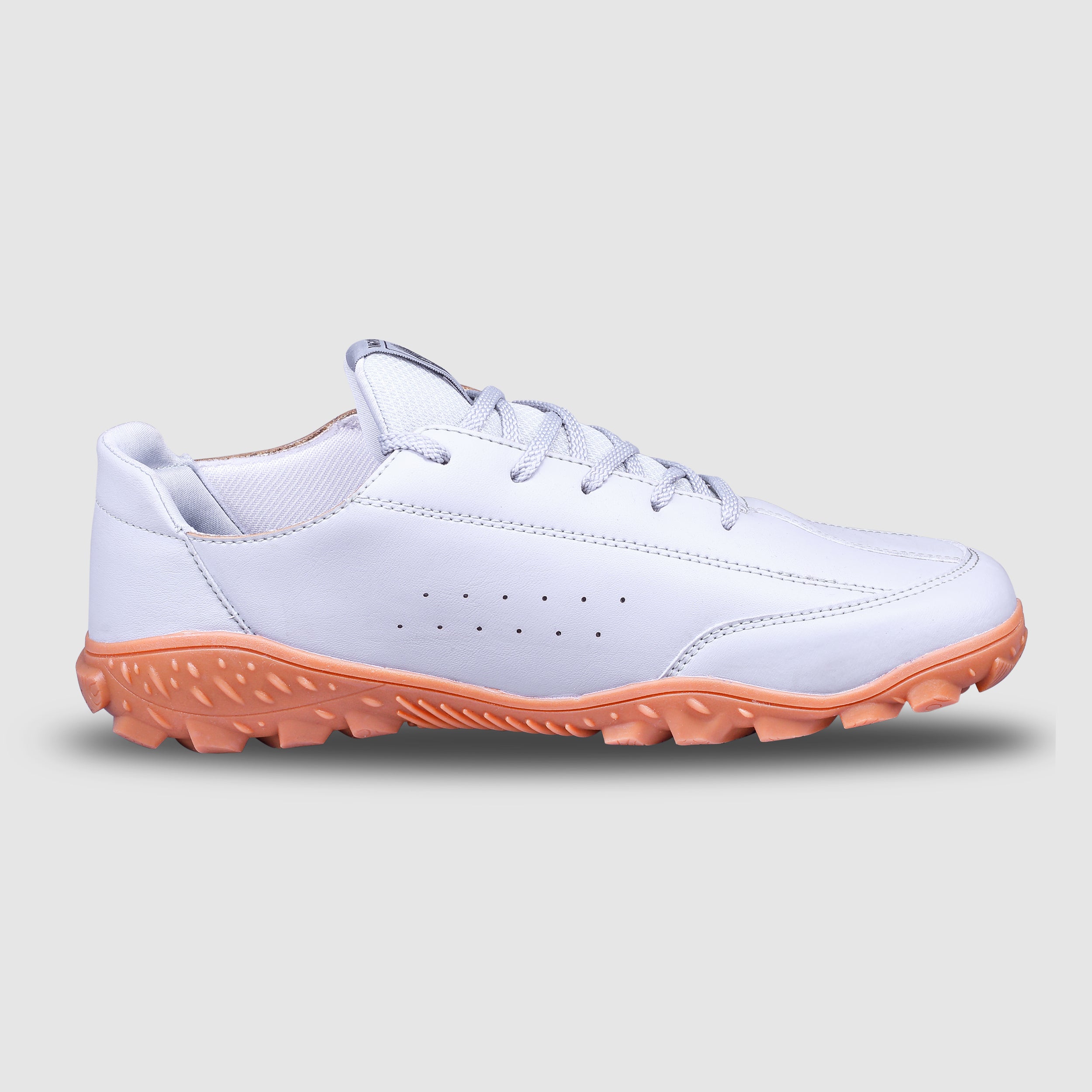
This pair is made for trekkers who want a barefoot feel but still need a strong grip. The rubber sole holds well on uneven surfaces, so the foot stays steady without losing flexibility. It works well for slow climbs and dry outdoor trails.
Impakto BareCraft Men's Grey Barefoot AS3314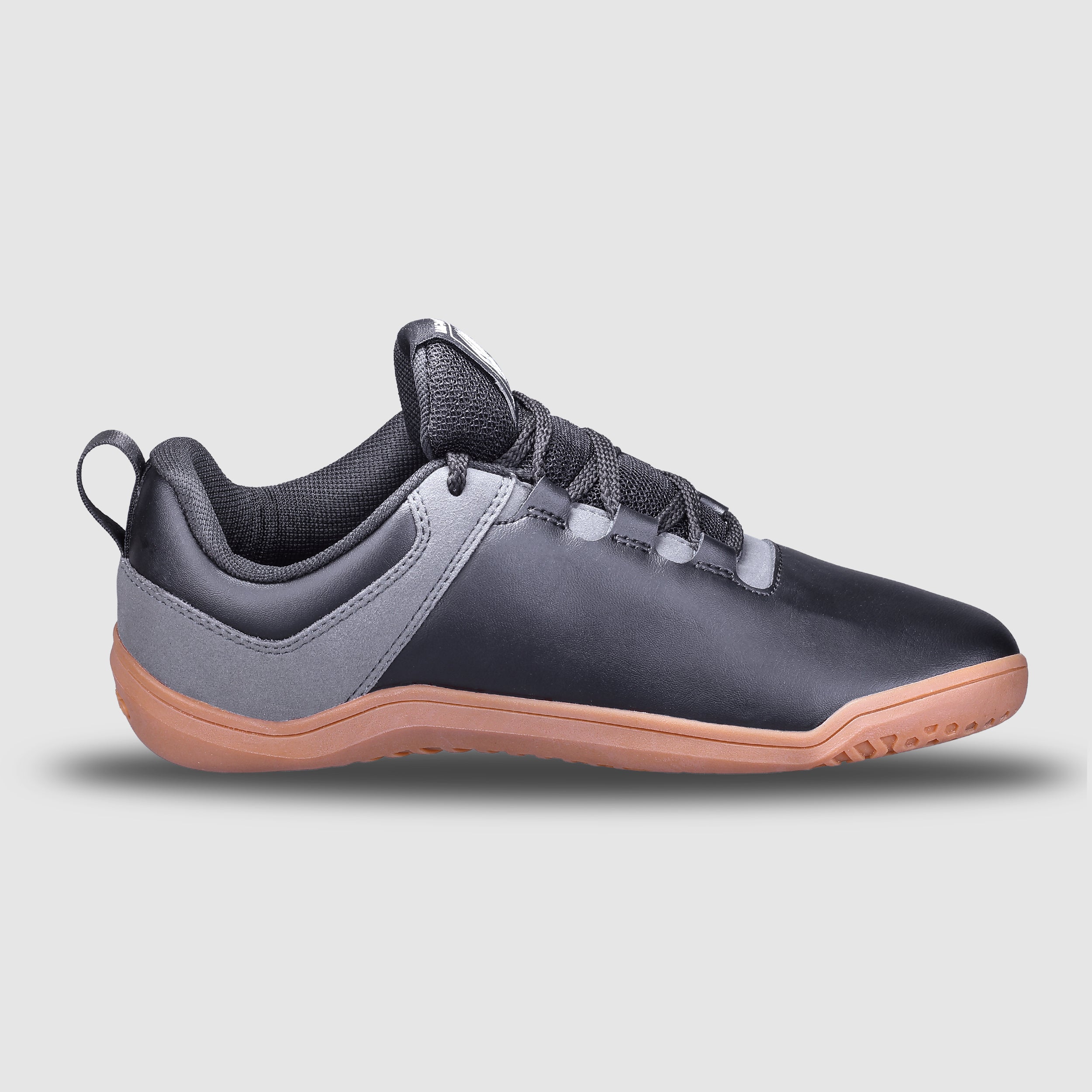
This shoe stays light and follows the natural shape of the foot. It bends easily and feels comfortable during long walks, especially on simple or mid-level paths. A suitable choice for trekkers who prefer soft movement and minimal structure.
Impakto Barefoot Earthen Men's Olive Barefoot Shoe AS3371
This pair gives a grounded feeling with a natural foot spread. The olive design feels stable on rough paths while keeping the step relaxed. It suits trekkers who enjoy a quiet, natural style of walking without extra weight.
Impakto EdgeRunner Rooted Big Toe Box Trekking and Hiking Shoes for Men AS3258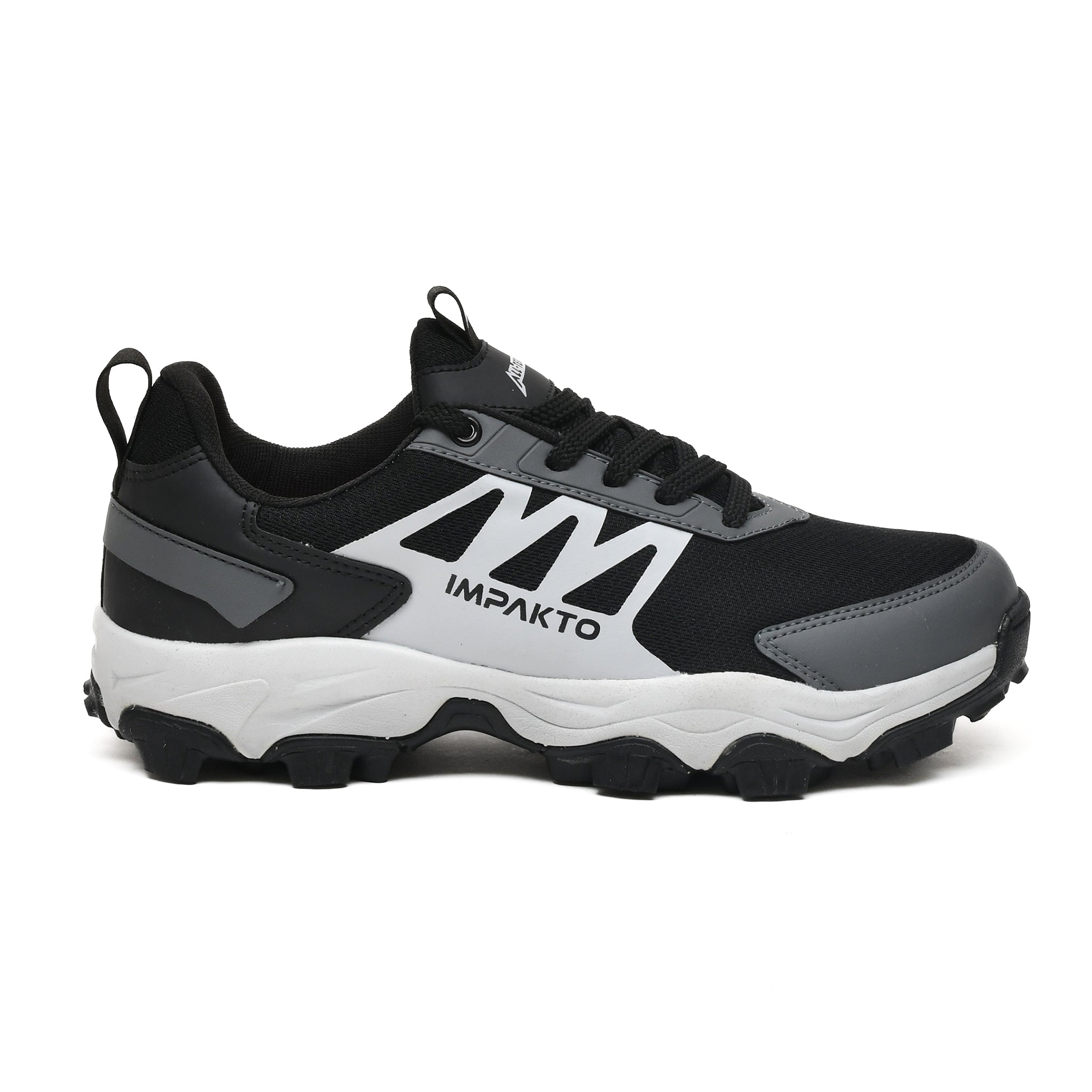
This pair gives your toes the room they need during long stretches of walking. The wide front helps your foot relax on uneven ground, and the base holds steady when you climb or descend. It suits trekkers who want comfort and control without adding heavy cushioning.
Impakto TerrainMax Waterproof and Moisture Wicking Rexine Upper Trekking Shoes for Men AS3257
This pair helps when the weather or trail is unpredictable. If the ground becomes wet or you cross a damp area, the shoe keeps moisture away. It also holds firm when the surface becomes slippery.
Choosing the Right Shoe for Your Trek
Think about the path before thinking about the shoe.
If the trail has rocks, you need grip.
If it is long, you need comfort and toe space.
If it is rain-prone, waterproofing helps.
If you like natural movement, barefoot shoes feel good.
A shoe should not make you adjust the way you walk. It should let your foot move the way it naturally does. When that happens, the trek feels lighter.
Frequently Asked Questions
1. Which shoes are best for trekking beginners?
Beginners should choose shoes with a firm grip and a comfortable fit. A stable sole helps with uneven surfaces. A lighter design also reduces early tiredness.
2. Are barefoot shoes good for trekking?
Barefoot shoes feel natural and allow more movement. They work well on dry and moderate trails. Some trekkers may need time to get used to the minimal design.
3. Do trekking shoes for men and women differ?
Yes, the foot's shape is different. Trekking Shoes for Men usually have a wider fit, while Trekking Shoes for Women have a narrower midfoot and a deeper arch. The change helps each foot move comfortably.
4. Are waterproof trekking shoes necessary?
Not for every trail, but they help a lot in wet areas. Waterproof shoes keep feet dry and reduce the risk of slipping. They also hold the shoe steady on damp surfaces.
5. How do I know if a trekking shoe fits well?
Your toes should move without touching the front. The heel should not lift while walking uphill or downhill. The shoe should feel steady and natural as soon as you start driving.
