














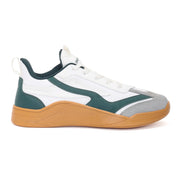


How to Choose Good Walking Shoes
Most people don't think twice about their walking shoes until something starts hurting. A blister here, a sore heel there, or that dull ache in your knees after a longer walk than usual. The truth is, a lot of that discomfort comes down to one simple thing: wearing the wrong shoe for the job. Walking shoes aren't just casual sneakers you throw on for convenience. They're built with a specific purpose, and picking the right pair actually makes a real difference over time.
Here's what to actually look for before you buy your next pair.
Cushioning That Matches How You Walk
Cushioning is usually the first thing people check, and for good reason. Every step you take sends impact straight up through your foot, ankle, and knee, and the right amount of cushioning absorbs a chunk of that shock before it reaches your joints.
That said, more cushioning isn't automatically better. Too much softness can actually reduce stability, especially on uneven ground. What you want is balanced cushioning, enough to soften impact without making the shoe feel mushy or unstable underfoot, particularly if you're walking for long stretches or on hard surfaces like pavement daily.
Arch Support Suited to Your Foot Type
This one gets overlooked constantly, and it's honestly one of the biggest reasons people end up with foot pain despite owning decent shoes. Everyone's arch is different; some people have high arches, some have flat feet, and most fall somewhere in between.
A shoe with the wrong arch support forces your foot to compensate with every step, which adds up fast over a long walk. If you're not sure what your arch type is, a quick wet foot test at home can tell you a lot, or you can simply pay attention to how a shoe feels underfoot within the first few minutes of wearing it. Genuine discomfort in the arch area early on is usually a sign the support isn't right for your foot.
Breathability for Long-Term Comfort
Walking, especially for extended periods, generates heat and moisture inside the shoe. A breathable upper, whether mesh, knit, or a similar material, keeps air moving through the shoe and helps prevent that damp, uncomfortable feeling that leads to blisters and bad odour over time.
This matters even more in a country like India, where humidity plays a big role for a large part of the year. A shoe that traps heat is going to feel noticeably worse on a long walk compared to one built with proper ventilation in mind.
Sole Flexibility and Grip
The sole does more work than people give it credit for. It needs to flex naturally with your foot's movement, particularly through the ball of the foot, where most of the push-off happens during walking. A stiff, inflexible sole forces your foot to work harder than it should, which shows up as fatigue much sooner than it needs to.
Grip matters just as much, especially if you're walking on varied terrain, wet pavements, uneven paths, or anything outside a perfectly flat gym floor. A sole with decent tread keeps you steady and reduces the risk of slipping, which becomes more important the longer and more frequently you walk.
Proper Fit, Not Just Size
A lot of people buy shoes based purely on their usual size, without accounting for how a specific shoe's fit actually feels. Walking shoes should have enough room in the toe box to let your toes move naturally, without feeling cramped or overly loose either.
A good rule of thumb is checking for roughly a thumb's width of space between your longest toe and the front of the shoe. Too tight, and you'll deal with pressure points and numbness on longer walks. Too loose, and your foot slides around inside the shoe, which creates friction and blisters over time.
Durability for Regular Use
If you're walking regularly, your shoes are going to see a lot of wear, and cheaply made pairs tend to break down fast, losing cushioning and support well before they visibly look worn out. Checking stitching quality, sole bonding, and overall build gives you a decent sense of how long a pair will actually hold up under daily use.
Choosing Based on Where You Actually Walk
It's worth thinking about your typical walking environment too. If most of your walking happens on pavement or a treadmill, a shoe with strong cushioning and moderate flexibility usually works well. If you're walking on trails, parks, or uneven ground more often, prioritize grip and ankle stability over pure cushioning.
Men's and women's feet also differ structurally in shape and width, which is part of why gender specific walking shoes tend to fit better than unisex options. If you're shopping for a proper pair, it's worth browsing dedicated collections like walking shoes for men or walking shoes for women, since fit designed specifically for your foot shape makes a noticeable difference over time.
Final Thoughts
Good walking shoes aren't just about looking sporty or casual; they're about supporting your feet through however many steps you take in a day. Focus on cushioning, arch support, breathability, flexibility, and proper fit first, and comfort follows naturally from there. A well-chosen pair pays for itself in fewer aches, better posture, and walks that actually feel good instead of something you're pushing through.
Frequently Asked Questions
How often should I replace my walking shoes?
Most walking shoes should be replaced every 500 to 800 kilometres of use, or roughly every 6 to 12 months for regular daily walkers, since cushioning breaks down long before the shoe looks worn out.
Can I use running shoes for walking instead?
Running shoes can work occasionally, but they're built for a different impact pattern. Dedicated walking shoes offer better support for the specific motion and pace of walking.
How do I know if a walking shoe fits properly?
Check for about a thumb's width of space at the toe, no pressure points along the sides, and a snug but not tight fit around the heel to prevent slipping.
Do walking shoes really need different support for men and women?
Yes, foot shape and width differ structurally between men and women, which is why gender specific walking shoes generally offer a better, more comfortable fit than unisex options.
Is arch support necessary for everyone, even without foot pain?
Yes, proper arch support helps distribute pressure evenly across the foot, which reduces long-term strain even if you're not currently experiencing pain.