


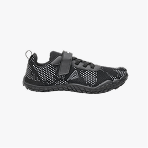
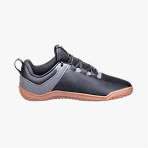



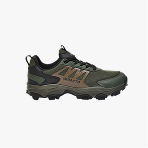


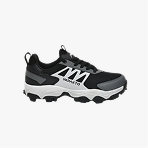


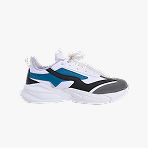

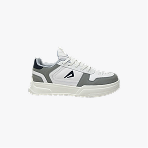


What Are Trekking Shoes?
Grab a regular pair of sneakers for a trek, and you'll figure out pretty fast why they exist for city sidewalks and not rocky, uneven trails. Loose ankle support, a sole that slips the moment gravel gets involved, and no real protection from rocks digging into your foot with every step. Trekking shoes exist specifically to solve these problems, and once you understand what actually goes into building one, it's easy to see why regular shoes just don't cut it once the terrain gets serious.
Here's a proper breakdown of what trekking shoes actually are and what sets them apart.
The Basic Definition
Trekking shoes are footwear specifically designed for walking on uneven, rugged terrain—think trails, hills, rocky paths, and mixed ground you'd encounter on a hike or multi-day trek. Unlike regular sneakers or walking shoes, they're built with reinforced soles, sturdier construction, and features aimed at protecting your feet from the kind of impact and instability that natural terrain throws at you.
They sit somewhere between a lightweight hiking shoe and a heavier hiking boot, offering more protection and stability than casual footwear while still staying flexible enough for active movement over long distances.
What Makes Trekking Shoes Different
A few specific features separate trekking shoes from anything you'd wear casually, and each one exists for a real reason.
Aggressive Sole Grip
The sole on a trekking shoe is built with deep, patterned lugs designed to grip loose dirt, wet rocks, mud, and uneven surfaces. Regular shoe soles are flat and smooth by comparison, which works fine on pavement but becomes genuinely dangerous on a slippery trail. That aggressive tread is really the first thing that separates a trekking shoe from everything else in your closet.
Ankle Support and Stability
A lot of trekking shoes come with a slightly higher cut around the ankle compared to regular sneakers, offering extra support and reducing the risk of rolling your ankle on uneven ground. Even low-cut trekking shoes are built with reinforced sides for added lateral stability, something a regular sneaker simply isn't designed to provide.
Protective, Reinforced Toe Area
Trails involve a lot of unpredictable obstacles, roots, rocks, and loose stones, and your toes take the brunt of that if your shoe isn't built for it. Trekking shoes typically include a reinforced toe cap, protecting your foot from impact without adding excessive bulk or weight.
Water Resistance
Many trekking shoes are built with water-resistant or waterproof materials, since trails often involve stream crossings, muddy patches, or unexpected rain. This keeps your feet dry and comfortable over longer treks, where wet feet quickly turn into blisters and general misery.
Breathability Balanced With Durability
Despite being tougher than regular shoes, good trekking shoes still need proper ventilation, since you're likely wearing them for hours at a stretch, often in warm weather. The best designs balance rugged, durable materials with enough breathability to prevent your feet from overheating on longer treks.
Who Actually Needs Trekking Shoes?
If you're someone who treks occasionally and goes on weekend hikes, visits hill stations, or walks nature trails, trekking shoes are worth having rather than being optional. Even a moderate trail can turn uncomfortable or unsafe fast in the wrong footwear. They're also useful for anyone doing regular outdoor activity beyond flat pavement, camping trips, nature walks, or any terrain that isn't consistently smooth and predictable.
If you don't trek often but do occasional outdoor trips, a decent pair of trekking shoes still earns its place in your footwear rotation, since the protection and grip they offer make outdoor walks noticeably more comfortable and safer compared to regular sneakers.
Choosing the Right Pair
A few things matter beyond just picking any trekking shoe off the shelf. Get the fit right first, since trekking involves a lot of downhill movement, and shoes that are too loose can cause your toes to jam forward uncomfortably on descents. Check sole flexibility too, since a completely rigid sole works for serious mountaineering but feels unnecessarily stiff for moderate trekking. And pay attention to weight, since a heavier, more rugged shoe makes sense for tough, multi-day treks, while a lighter trekking shoe suits shorter, easier trails just fine.
Fit and structure also differ between men's and women's feet, which is why it's worth checking dedicated options like trekking shoes for men or trekking shoes for women, rather than assuming a unisex fit will work equally well for everyone.
Final Thoughts
Trekking shoes exist because regular footwear simply isn't built for the demands of uneven, unpredictable terrain. Grip, ankle support, toe protection, and water resistance all work together to keep your feet safe and comfortable on trails that would otherwise leave you slipping, sore, or dealing with soaked feet halfway through a hike. If you're stepping onto anything beyond a flat, predictable path, a proper pair of trekking shoes makes a real difference in how the whole experience feels.
Frequently Asked Questions
Are trekking shoes different from hiking boots?
Yes, trekking shoes are generally lighter and more flexible than hiking boots, offering a balance between protection and mobility, while hiking boots provide more ankle support for tougher, longer treks.
Can I use running shoes for trekking instead?
Running shoes aren't recommended for trekking, since they lack the grip, toe protection, and stability needed for uneven, rocky terrain, which increases the risk of slipping or injury.
Do trekking shoes need to be waterproof?
Not always, but water resistance is genuinely useful if your trek involves stream crossings, muddy trails, or unpredictable weather, since wet feet become uncomfortable fast on longer walks.
How long do trekking shoes typically last?
With regular use, a good pair of trekking shoes typically lasts 1 to 2 years or several hundred kilometers of trail use, depending on terrain and care.
Are trekking shoes different for men and women?
Yes, foot shape and width differ between men and women, which is why dedicated options like trekking shoes for men and trekking shoes for for women generally fit better than unisex designs.