
















The Ultimate Guide to Indoor Court Shoes: Why Grip Matters
Picture this. You're mid-rally, the shuttle is dropping short, and you lunge forward to dig it out. Your racket is in position, your eyes are locked, and your legs are doing exactly what you told them to. Then your front foot slides about two inches further than it should.
Maybe you recover. Maybe you don't. Either way, you've just had a very quick lesson in why grip matters.
I've seen this happen to beginners and club regulars alike. Most of us spend hours choosing the right racket, the right bag, even the right grip tape. Meanwhile, the one piece of gear that sits between us and the floor gets picked because it "looked nice" or was on sale. Let's fix that.
Why indoor courts are a different game
Outdoor surfaces are rough and forgiving. Indoor courts are the opposite. Polished wood, PVC sports flooring and synthetic mats are smooth by design, so the ball or shuttle moves predictably. But that smoothness also means your shoes have to do a lot more work.
On a slick surface, every sudden stop, split step, pivot and lunge asks your sole for friction. If the sole can't give it, your body pays the price. You slip, you tighten up, or you start playing a bit scared, hesitating before you push off. That hesitation costs points long before it costs you an ankle.
So when people ask me what makes a good indoor court shoe, I always start in the same place: look at the bottom of the shoe first.
What good grip actually looks like
Grip isn't just "sticky rubber." It's a combination of a few things working together.
The rubber compound. Softer rubber generally bites into smooth floors better. The trade-off is that it can wear faster, which is why you shouldn't judge a sole by how it feels in the shop alone.
The tread pattern. Herringbone and multi-directional patterns let you stop and push off in any direction. Court sports are full of sideways movement, so a pattern that only grips going forward isn't much help.
A flat, wide contact area. The more of your sole that actually touches the floor, the steadier you feel. Overly curved or narrow soles can feel wobbly the moment you shift your weight.
Cleanliness. This one is free and nobody talks about it. Dust is the silent enemy of grip. A quick wipe of your soles with a damp cloth before a game can make an old pair feel noticeably better.
Grip isn't the whole story
Here's where I'll be honest, because a guide that only shouts "grip, grip, grip" isn't really a guide.
Grip works best when it's supported by everything above it.
Cushioning protects your joints. Indoor play means lots of repeated landings on hard floors. Soft, responsive cushioning takes the edge off every jump and lunge, and your knees will thank you after the fiftieth rally, not the first.
A secure, stable fit keeps your foot from sliding inside the shoe. You can have the stickiest sole in the world, but if your heel is lifting or your foot is shifting around, you'll still feel unsteady.
Toe room matters more than most people think. Cramped toes mean pressure points, blisters and a sore second half. A wider toe box lets your foot spread naturally when you land, which also helps balance.
Weight and flexibility decide how quick you feel. A shoe that's too stiff or too heavy slows your first step, and in court sports that first step is everything.
The mistakes I see over and over
Let me save you some money and a few sore evenings.
Wearing running shoes on court. Running shoes are built for moving forward in a straight line. Court sports need lateral support and a sole that grips sideways. It's one of the most common mismatches, and it's the one most likely to end in a rolled ankle.
Playing in worn-out soles. If the tread is smooth or the rubber looks glazed, the shoe is done, however good the upper still looks. Grip fades quietly, so you often don't notice until you slip.
Buying a size too small. Feet swell during play. A snug fit in the shop can turn into a painful one by the third game. Try shoes on later in the day, with the socks you actually play in.
Ignoring comfort because the shoe looks good. Okay, looks matter. I'm not going to pretend otherwise. But the shoe you can't wait to take off won't help your game, however good it looks.
How to choose your pair, step by step
If you're shopping right now, here's a simple routine you can follow:
-
Flip the shoe over. Check the tread. Is it deep and varied, or flat and shiny?
-
Press the sole. Good rubber has a little give and doesn't feel hard like plastic.
-
Check the toe box. Wiggle your toes. You should have room without your foot sliding.
-
Do a few side steps in the store. Mimic a lunge or a quick pivot. Notice how stable you feel.
-
Think about how you actually play. Competitive league matches, weekend games with friends and warm-ups on the way to the gym all call for slightly different shoes.
Where Impakto fits in
Not everyone playing indoors is a tournament regular, and not everyone wants a pair of sports shoes they'll only wear in the gym. A lot of us want something comfortable enough to wear all day and still feel steady when a friendly game breaks out.
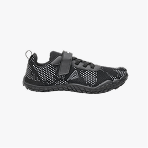
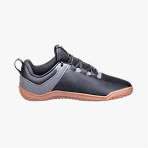
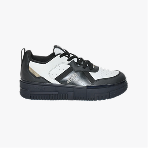
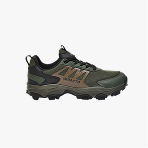
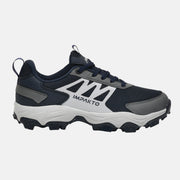
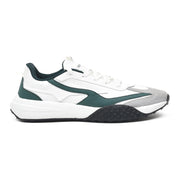
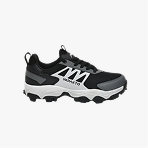
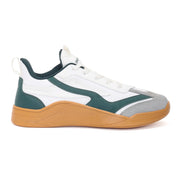
That's the thinking behind Impakto's Para range. The shoes are designed in-house with soft cushioning, durable Strobel construction and a wider toe box, so they're built around comfort from the first step to the last. If you're browsing for Court Shoes that balance everyday ease with a confident feel underfoot, the Para collection is worth a look. It's a good option for casual indoor sessions, practice days and getting around before and after your game.
One honest note: if you play several times a week competitively, pair a sport-specific shoe with your everyday ones, and give each its own job. That alone makes both last longer.
Final thoughts
Grip is the quiet hero of every good indoor session. You rarely notice it when it's working, and you notice nothing else when it isn't. Choose soles that bite the floor, fits that keep your foot settled and cushioning that looks after your joints, and you'll move with more confidence, which usually means better play.
So before your next game, look at your shoes. Check the tread, wipe off the dust and ask yourself whether they're really up to the job. Your first step on court will tell you everything.
Ready to find your pair? Explore the full range of court shoes at Impakto and step onto the floor ready to play.
Frequently Asked Questions
1. Can I wear running shoes for indoor court sports?
It’s not a good idea. Running shoes are designed for forward motion and offer little lateral support. Court sports involve constant side-to-side movement, so you need a sole that grips sideways and a shoe that keeps your foot steady during quick direction changes.
2. How do I know if my court shoes have lost their grip?
Turn them over. If the tread looks smooth, shiny or flattened, the grip is fading. A more obvious sign is slipping during stops or pivots that never used to be a problem. Wiping the soles with a damp cloth removes dust and can help, but worn rubber can’t be restored.
3. How often should I replace my indoor court shoes?
It depends on how often you play. Frequent players may need a new pair every six to twelve months, while casual players can get longer out of one pair. Go by the condition of the sole and the cushioning, not the calendar.
4. Why does toe room matter in court shoes?
Your feet swell and spread during play, especially on hard indoor floors. A wider toe box lets your toes move naturally, which improves balance and reduces blisters and pressure points.
5. Are cushioned shoes better for indoor courts?
Cushioning helps absorb the impact of repeated jumps and landings on hard floors, which is easier on your knees and joints. The best shoes combine soft cushioning with a stable fit, so the extra comfort doesn’t make you feel wobbly.
6. How can I make my shoes grip better on a slippery court?
Keep the soles clean, avoid walking outside in your court shoes, and store them away from dust. Make sure they fit snugly, because a foot sliding inside the shoe feels like a grip problem even when the sole is fine.
7. Are Impakto’s Para shoes good for casual indoor play?
The Para range is designed in-house with soft cushioning, durable Strobel construction and a wider toe box, so it suits everyday wear and relaxed sessions. If you’re after comfortable Court Shoes for casual play and practice days, it’s a good place to start. For frequent competitive play, it’s best to use a sport-specific shoe alongside them.